Our ACHENA Team
Commissioners
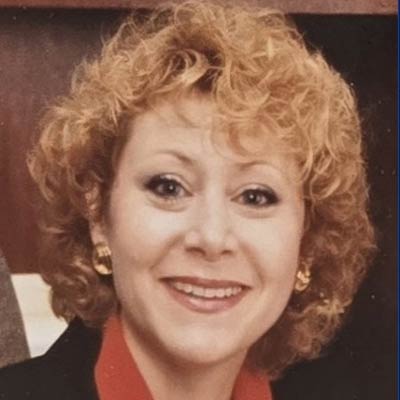
Sue Roe, DPA, MS, BSN, RN
President (2025-2028)
Sue is principal of The Roe Group Enterprises, senior partner of Holistic Nursing Exploration Hub, and facilitator of the Arizona Healthcare Workforce Action Network. Her consultation focuses on workforce development/enrichment, leadership, holistic practice, competency-based and core curriculum, and assessment. Sue has a wealth of experience in regional and programmatic accreditation at the university/college level, serving as liaison to accrediting organizations as well as a consultant to and leader of accredited programs. She has served as a College President, Academic Vice President, Department Chair and Faculty. Sue has developed many academic, training and continuing education programs, and currently serves in leadership roles in professional associations including president of the Homeopathic Nurses Association. She presents locally and nationally, is the author of The Nursing Assistant: Foundations of Holistic Caregiving, and is currently co-authoring, Caring Holistically: What it Takes to Make A Difference! She earned her BSN and MS in nursing at the University of Arizona and her Doctorate in Administration and Health Policy at Arizona State University. She also completed graduate level coursework in education and training and has been accepted into the Andrew Weil Fellowship Program in Integrative Medicine. Sue is considered a community leader, convener, skillful facilitator, accomplished administrator and change agent.
Deanndra Dawn
Vice President (2022-2025, 2026-2029)
Deanndra attended school in Calgary at the Western College of Homeopathic Medicine and has been a Certified Classical Homeopath with the CHC since 2020. She operates a private practice in Southern Alberta which implements Holistic Nutrition, Meditation and Yoga along with Homeopathy to offer her patients a range of alternative health modalities. Deanndra is an eternal student who is passionate about advocating for, and advancing the homeopathic profession.
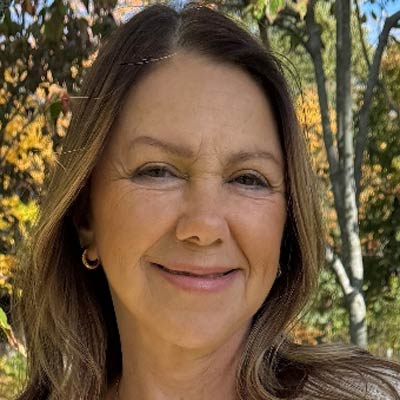
Deb Fox, CCH, RCST
Treasurer (2021-2024, 2024-2027)
Deb is a Certified Classical Homeopath (CCH), Biodynamic Craniosacral Practitioner (BCST/NA); Polarity Therapist, teacher and the owner of Deb Fox Wellness and Equilibrium Healing Arts. She combines Homeopathy and energetic bodywork to provide a comprehensive model of holistic care to her clients. She is passionate about helping others live meaningful and healthy lives and inspires her clients to take control of their health through education. Deb is a health freedom advocate and serves on the Board of Health Freedom Action Massachusetts (HFAMA) as well as on the Committee for Protection & Access to Complementary & Alternative Care. As a former CPA, she has experience with all facets of financial accounting and tax preparation.
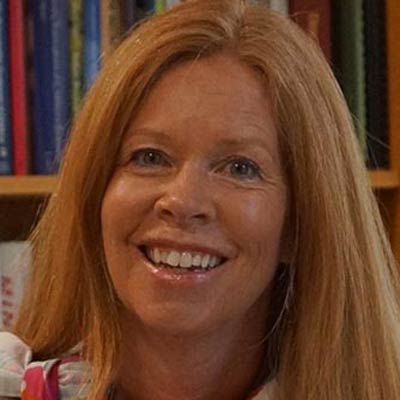
Martha DeMarco LHP, CHP
Secretary (2023-2026), Commissioner (2026-2029)
Martha has enjoyed a thriving private practice since 2012. She combines classical Homeopathy with Polarity Analysis, gemmotherapy, Bach flower remedies, and Thought Field Therapy (TFT) to support holistic well-being. A graduate with honors of the Teleosis Homeopathic Collaborative and a Skidmore College alumna, Martha has served on the Board of the Council for Homeopathic Certification (CHC) and as Secretary of ACHENA. Her writing has appeared in Homeopathy Today. Raised in a family rooted in energy healing—her father, Dr. Roger Callahan, founded TFT—Martha is dedicated to advancing the field of Homeopathy and its future sustainability.
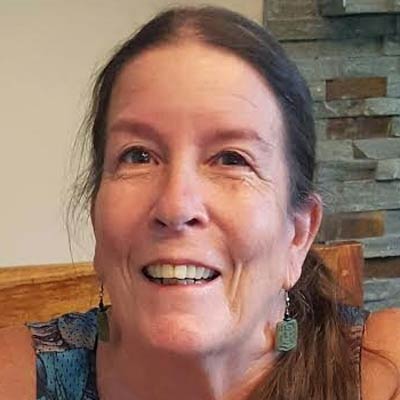
Maryann Ivons, ND retired
Commissioner (2022-2025, 2026-2029), Standards Committee
Maryann started her medical career as an emergency room and intensive care nurse before becoming a naturopathic physician in 1987. She has been practicing Homeopathy since, while also lecturing at Bastyr University and the Seattle School of Homeopathy, as well as serving as Dean of Academic Affairs for the American Medical College of Homeopathy. Maryann is the author of Homeopathy for Nurses and a contributor to Vogel and Krucoff’s Integrative Cardiology.
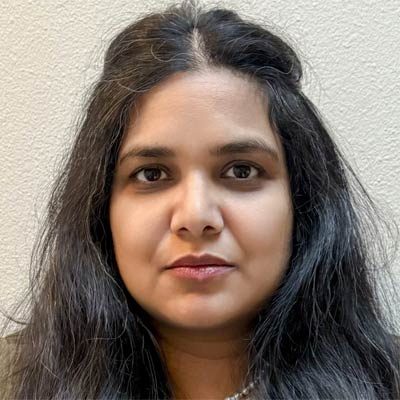
Namita Singh, BCS, MBA, CHP candidate
Commissioner (2024-2027), Standards Committee
Namita is a graduate of the Academy of Homeopathic Education (AHE), where she completed her clinical training in Hahnemannian Homeopathy. She began her formal homeopathic education at the Northwestern Academy of Homeopathy (NAH), where she studied for more than three years before transferring to AHE. Namita is currently seeing clients under supervision and is passionate about deepening her clinical insight through hands-on experience, ongoing mentorship and collaborative learning. She brings curiosity, compassion and thoughtful rigor to her work, always seeking to grow both as a practitioner, and as a contributor to the evolving field of Homeopathy. As part of her commitment to the profession, Namita contributes to the review and development of standards, policies, and procedures in homeopathic education through her work with ACHENA. She also actively gives back to the homeopathic community by supporting various organizations and initiatives dedicated to advancing the discipline.
Support Team
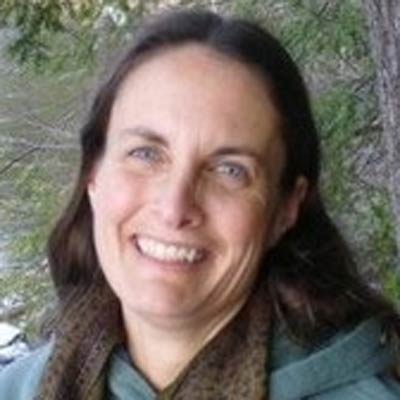
Meg Whiston, PHD, LHP, RSHom(NA)
Program Specialist (2024-present)
Meg’s passion for Homeopathy and higher education has deep roots. She is a Licensed Homeopathic Practitioner (LHP) and member of the North American Society of Homeopaths (RSHom, NA). She graduated from the Northwestern Academy of Homeopathy in 2000 and from the Dynamis School of Advanced Homeopathic Studies in 2007. Meg has also worked in higher education serving students in several different capacities including Associate Director of Campus Life, Academic Dean, Student Support Services, and faculty. Meg sees the confluence of higher education and Homeopathy as an opportunity for engaging in life-long learning which encompasses all aspects of an individual. Ever ready for an adventure, she keenly participates in long-distance cycling and has worked on many Earthwatch Institute research projects collecting data on endangered species.
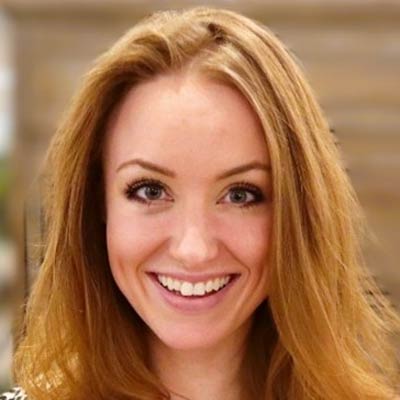
Katherine Huston, DIHom, RAHom
Accreditation Coordinator (2026-present)
Katherine currently resides in Calgary, Alberta, Canada, where she operates her private clinic, The Wellness Exchange & Classical Homeopathy. A graduate with honors from the Canadian College of Homeopathic Medicine, she also holds degrees in paralegal studies, psychology and English. Katherine serves as Vice President of Homeopaths Without Borders of North America, is a Director at the Alberta Homeopathic Association, and the Board of Canadians for Homeopathy. She also volunteers with the Homeopathy Help Now Network (USA). Dedicated to advancing and reshaping the conversation around Homeopathy, Katherine has contributed extensively to the field. Her IRP paper on headaches and their mental-emotional connections was featured at JAHC in 2024. Coming from a large military family with a long tradition of holistic healing, Katherine brings a deeply rooted perspective to her work. Outside of her practice, she enjoys gardening, hiking and traveling.
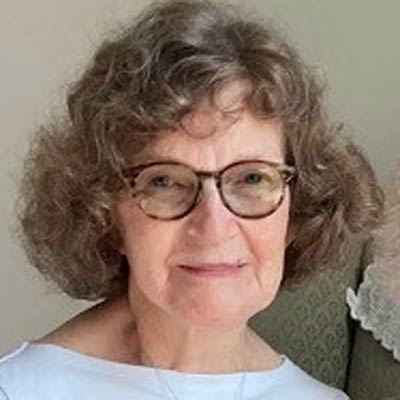
Dor Remsen, BS, MEd
Editor & Librarian (2023-present)
Dor’s role as ACHENA Editor and Librarian includes the creation, review and revision of policy and procedure documents. She previously served three years as an ACHENA Commissioner. Dor also serves as Secretary and Used Book Manager on the Board of the Florida Homeopathic Society. She leads the Lake County Homeopathic Study Group, which meets monthly in Eustis, Florida, as well as a second study group that meets twice a month in Clermont where she lives. In 1993, she founded the homeopathic study group in Bloomsburg, Pennsylvania. Dor attended the National Center for Homeopathy Summer School, taking every course offered during a five-year period. She has written articles for Homeopathy Today and continues to review books for NCH’s quarterly publication. Dor is a retired Managing Editor. In 1998 she wrote and edited the 300-page Leader’s Handbook used by internationally accredited breastfeeding counselors of La Leche League International (LLLI). From 1994 to 1998, she wrote, edited and managed the layout of Leaven, LLLI’s monthly, later quarterly, journal. In 2012, she retired from her Advancement Research and editing position at Bloomsburg University of Pennsylvania.
Advisors
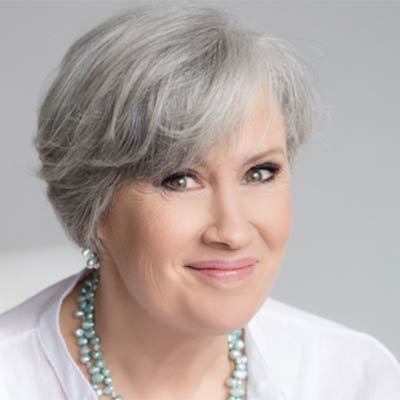
Karen Allen, LHP, CHP
Past President (2022-2025), Advisor (2026-present), Standards Committee
Karen Allen was drawn to Homeopathy after seeing a remarkable response in an illness of one of her children. After years of self-care and self-study, she enrolled and graduated from Pacific Academy of Homeopathic Medicine in San Francisco, California. She has been in clinical practice since 1994. Karen’s interest is in clinical effectiveness research of integrative healthcare modalities and the infrastructure of emerging health professions. She was the former president of the Accreditation Commission for Homeopathic Education in North America (ACHENA) and the education director for Homeopaths Without Borders Haiti project. She is currently the director of TrinityHealthHub.com, a community training resource for homeopaths.
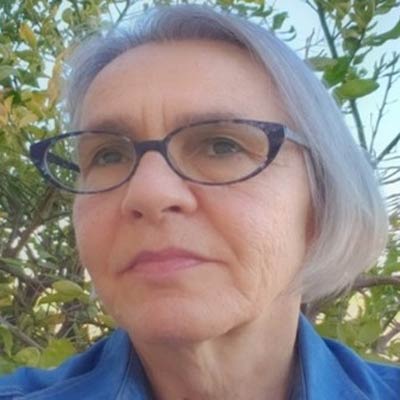
Anna Vakil, PhD, LHP, CHP
Past President, Advisor (2021-present), Standards Committee
Anna is a licensed homeopathic practitioner and owner of Yuma Homeopathy & Wellness Care Online, providing health and wellness care to families in Yuma, Arizona and via telehealth to clients around the world since 2013. She holds a PhD from the University of Michigan in interdisciplinary planning and public policy. Before practicing Homeopathy was a tenured professor at a Canadian university for nine years. Anna has served ACHENA since 2016 as Commissioner, President and currently Advisor.
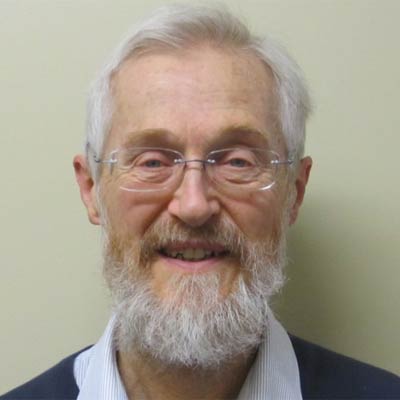
Paul Saunders, PhD, ND, RHOM, DHANP, DABHM
Advisor (2024-present)
Paul graduated from Duke University with a PhD, an ND from Canadian College, and a second ND and Homeopathic Medicine Residency at National College in Portland, Oregon over 30 years ago. He uses the full range of naturopathic therapies, enjoys helping patients with unusual cases, and has found homeopathic medicine to be a powerful treatment. Quality academic education and clinical experience are essential to good patient care. Paul has served ACHENA since 2020 as a Commissioner and is currently an Advisor.
Committee Members
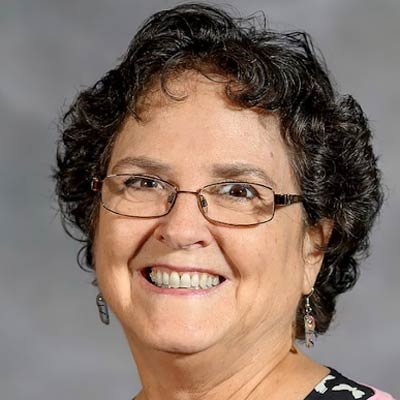
Kathy Zimmerman, FNP, APHN
Standards Committee (2026-present)
Kathy Zimmerman is board certified as a Family Nurse Practitioner (FNP) and Advanced Practice Holistic Nurse (APHN). She has worked in a variety of settings, as a NICU nurse, private holistic practice, FNP, and as Nursing Faculty at several universities. Her clinical experience has included pediatrics, mental health, and FNP courses. Her focus is on health promotion and providing care for diverse populations. Kathy has taught both didactic and clinical courses, online and on-ground, in RN-BSN, BSN and MSN nursing programs. She earned her BSN at Tennessee State University (TSU). Following an interest in holistic therapies, she received her MSN in Holistic Nursing and FNP from Tennessee State University and specialized in Classical Homeopathy. Kathy completed her terminal degree, earning a PhD in nursing from East Tennessee State University in Nursing Education and Curriculum Development. Kathy has published articles and presented at nursing conferences on topics that include holistic nursing, integrative therapies, discharge readiness for parents with a premature infant, and essentials of research. She lives in Lebanon,TN, with her husband and enjoys making crafts, quilting, gardening, traveling and hiking.
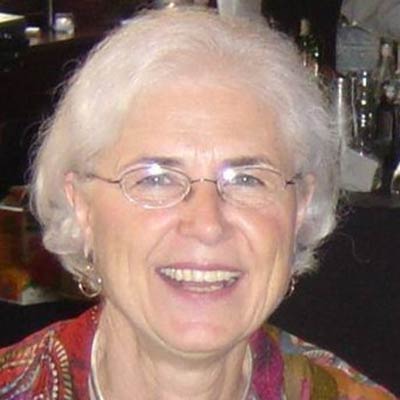
Mary Briden
Accreditation Affairs Committee (2026-present)
Mary is an experienced administrator, director, and faculty chair with a demonstrated history of working in higher education and institutional & programmatic accreditation. She has strengths in business development, program development, professional skills in E-Learning, admissions, academic advising, educational technology and instructional design.
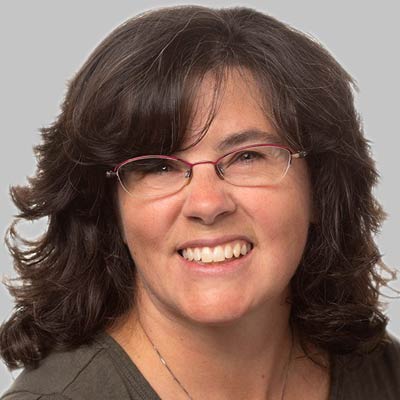
Cheryl Wood CCH, RSHom(NA), CHP
CPD Committee (2025-present)
Cheryl is a classical homeopath specializing for the past 20 years in pediatrics and families. She also focuses on homeoprophylaxis with FHCi (Free &Healthy Children International), Human Chemistry/Integrated Therapy, and Homeopathy Detox. In addition, Cheryl works collaboratively with mental health professionals to assist in reducing symptoms through a gentle homeopathic approach. Cheryl has a long history of success in helping both acute and chronic ailments of all kinds in both kids and adults.
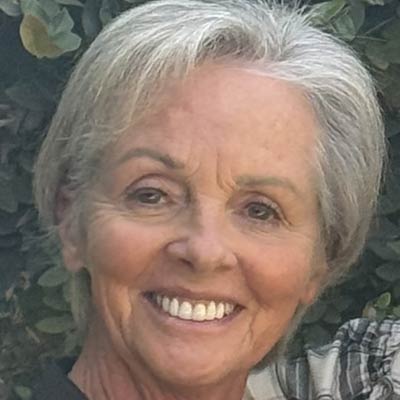
Janet Johnson PhD
Accreditation Affairs Committee (2026 – present)
Janet holds a Learning & Instructional Technology degree from Arizona State University. After a faculty position at Grand Canyon University, she became Chair of Education at Rio Salado College. There she designed and directed a first-of-its-kind online post-baccalaureate teacher training program which serves more than 5,000 students in 36 states and 33 countries. She has also served on the National Association of Community College Teacher Education Programs (NACCTEP), Governor’s School Readiness Board, Governor’s P-20 Great Teachers, Great Leaders Taskforce and Guerrant Foundation Advisory Board. She currently serves on the board of SEEDs for Autism.
Accreditation History of Homeopathic Education & Training in North America
1970-1999 — Small Schools, Seminars, Mentoring, Early Credentialing
• In the 1970s, the National Center for Homeopathy (NCH) conducted courses in homeopathy and homeotherapeatuics for licensed health care practitioners, as well as for interested laymen. The courses were held in Millersville, Pennsylvania, for several weeks in June/July/August. Annual “Summer School” was an outgrowth of the Postgraduate School for Physicians in Homeopathy established in 1922.
• In 1982, a group of senior homeopaths established the Council for Homeopathic Education (CHE) to foster quality education for homeopaths.
• Influential teachers from Europe, South America and India helped revive Homeopathy in the US. Seminars and study groups with these international homeopaths formed early year-round training resources.
• The first schools, with a full training curriculum for professional Homeopathy, grew out of these seminars and study groups. These opened in North America around 1990.
• In these early days, homeopathic training had a strong focus on methodology and therapeutics, with limited clinical exposure. Early training relied on individual mentoring for case work.
• During the 1990s, homeopathic educators developed a collaborative forum titled the North American Network of Homeopathic Educators (NANHE). It began as a committee within the CHE and later separated into its own organization. Annual onsite conferences became an important discussion forum for homeopathic education, curriculum and student evaluation. The collaboration from these conferences and teleconference meetings laid the vision and the groundwork for a later formalization of the Homeopathic Standards and Competencies for North America.
• In 1991, a group of senior naturopaths collaborated with homeopathic educators from the early schools to establish the Council for Homeopathic Certification (CHC). The goal was to create an exam and credential that demonstrated skills adequate for entry into professional homeopathic practice. A question database was created for the exam, and eligibility criteria were established. The first exams were given between 1992 and 1994.
2000 — Homeopathic Standards and Competencies established for North America
• In 2000, at a summit in Toronto, formal definitions for the homeopathic profession as well as necessary education standards were negotiated by representative stakeholders, including the CHE, NANHE, CHC, NCH, and the various membership associations from all sectors of the homeopathic profession. Review and ratification by homeopathic organizations followed.
• This agreed Standards and Competencies document was crucial for standardizing education and professional skill sets in North America. It established a baseline for schools to follow in their education programs. Some schools began to align their curricula with these standards during 2001 – 2005.
• It also established an entry level expectation for graduates and legacy practitioners to demonstrate competence through the CHC exam process.
2001-2006 — Council for Homeopathic Education (CHE) Prototype Accreditation
• The CHE board translated the agreed Standards and Competencies into school accreditation criteria.
• Curricula for theoretical and clinical training, along with requirements for school governance and procedures were published. A few schools were part of this early development and prototyping of accreditation.
• Many of the homeopathic schools were opposed to accreditation at this time. Discussion of educational standards and best practices continued through the homeopathic educators organization, the North American Network of Homeopathic Educators (NANHE).
• The CHE paused accreditation activities around 2006.
2007–2014 — CHE Became the Accreditation Commission for Homeopathic Education in North America (ACHENA)
• In 2007, the CHE was reformulated as the accreditation Commission for Homeopathic Education in North America (ACHENA), and the mission of accreditation was revitalized. Consistent outreach occurred, building awareness and consensus regarding the value of accreditation with all homeopathic schools and programs.
• In 2013, the Homeopathic Standards and Competencies document was reviewed by community stakeholders, with extensive public comment periods. The resulting updates were applied to accreditation and certification processes.
• During this time, the CHC attained independent accreditation for their credential through the Institute for Credentialing Excellence (ICE) / National Commission for Certifying Agencies (NCCA). Attainment of ICE / NCCA accreditation required fundamental changes to the CHC’s credentialing process (eligibility, application, exam, oral interview, issued certificate).
• The CHC exam required alteration in order to establish a psychometrically validated exam. All questions were transitioned to multiple choice format. The homeopathic sample cases for analysis, and the subsequent oral interview were removed.
• The removal of these clinical competency components of the exam shifted the responsibility for assessment of clinical competences from the CHC to the schools. Schools were required to obtain additional clinical documentation for students, with an agreed minimum number of client cases and interactions. This change heightened the importance of accredited education, with assurance of meeting the Homeopathic Standards and Competencies.
• In 2014, ACHENA negotiated an eligibility criteria change with the CHC; beginning in 2018, applicants for the CHC exam would be required to have accredited education. The accredited schools were prepared to verify the clinical competencies that were no longer tested in the CHC credentialing process.
January 1, 2015 — A valid accreditation process was implemented
Compiled by Karen Allen, LHP, CHP, ACHENA President (2022-2025) and current ACHENA Advisor, with contributions from Todd Rowe, MD, MD(H) and Dor Remsen, ACHENA Editor & Librarian – 2026.
ACHENA | admin@achena.org
P.O. BOX 517 | 49 ELMWOOD ROAD | SWAMPSCOTT, MA 01907